






What to Serve when Hosting a Wine and Cheese Night at Home
Getting a wine-and-cheese night right takes a little thought, as your evening needs to be relaxed and well put together with wines and cheeses that pair well and a spread that offers your guests enough variety. You may be worrying about choosing the right bottles, serving enough food, and making sure there is something for everyone. Keep your menu focused, build it around reliable pairings, and order your drinks well in advance so you don't need to rush around busy supermarkets at the last minute. Alternatively, why not consider including a few high-quality non-alcoholic spirits or sparkling wines, ensuring that every guest feels part of the evening regardless of their drinking preferences.
Start With the Right Mix of Wines
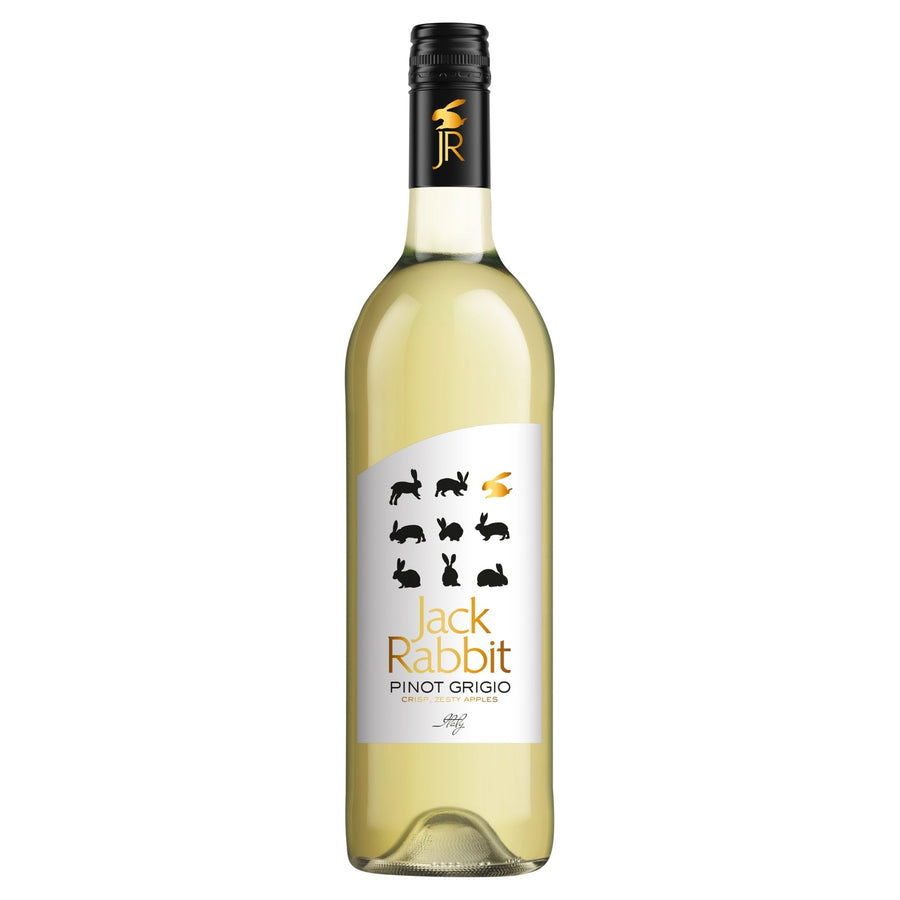
A good wine-and-cheese night does not need a huge wine list. Three or four bottles are enough for a small gathering, especially if you choose wines that cover different tastes. A crisp white, a fuller white, a lighter red, and perhaps something sparkling can create enough choice without cluttering your table. White wine usually deserves more attention than it gets on these evenings. Many cheeses are creamy, salty, or soft in texture, and white wines often handle those flavours better than heavy reds. A Sauvignon Blanc brings freshness and acidity, while an unoaked Chardonnay can feel rounder and smoother.
Why White Wine Works So Well With Cheese
One of the easiest mistakes is assuming red wine should lead the evening. In reality, a sharp or fresh white can be more flexible. Acidity helps cut through richness, which is why white wines pair so well with soft and creamy cheeses. Classic pairings such as Sauvignon Blanc with goat’s cheese are widely recommended because the wine’s freshness complements the cheese's tangy character. If you want the evening to feel easy and crowd-pleasing, start with white wines and build the cheeseboard around them. That usually creates a fresher, lighter-tasting experience, particularly for spring and summer hosting.
Choose Three to Five Cheeses
It is tempting to overbuy when planning a cheeseboard. In reality, too many cheeses can make the table harder to enjoy. Three to five cheeses are usually best for a home gathering. That gives enough contrast without making flavours blur together. Try to include a mix of textures and strengths. A soft cheese such as Brie or Camembert, a goat’s cheese, a hard cheese like Comté or mature Cheddar, and one blue cheese will usually cover the range well. Arrange them from mildest to strongest so guests can taste in a natural order. It is recommended bringing cheese up to room temperature for 45 to 60 minutes before serving and arranging it by style and strength so stronger cheeses do not overpower the palate too early.
How Much Cheese Should You Serve?
Portion planning is important. If cheese is the main event and you are serving it as a grazing-style centrepiece, around 75g to 100g per person is a sensible guide. If you are adding charcuterie, bread, and other snacks, you can stay closer to the lower end. The amount usually feels generous without leaving you with unnecessary waste. It also helps you spend more carefully, as you can allocate your budget to better-quality choices rather than sheer quantity. To ensure a balanced board, aim for three to five distinct styles, ranging from a creamy Cornish Brie to a sharp, vintage Cheddar. By choosing different textures and strengths, you create a more engaging tasting experience that feels substantial even with modest portion sizes.
Pair the Food Around the Cheese, Not Against It
The supporting food should make the board more enjoyable, not compete with it. Bread, crackers, grapes, pears, apples, chutney, nuts, and a little honey usually work well because they add sweetness, crunch, or freshness without dominating the plate. We would also recommend simple accompaniments such as crackers, fruit, and nuts, along with separate knives to keep flavours distinct. A goat’s cheese alongside Sauvignon Blanc is a safe and classic choice. A creamy Brie with a fresh Chardonnay can feel smooth and balanced. Hard cheeses like mature Cheddar or Alpine styles often work well with fuller-bodied whites or lighter reds, depending on the finish you want. Blue cheese is stronger and can be trickier, so it is often best offered as an optional final cheese rather than something every guest has to start with.
Get the Serving Details Right
Even good wine can disappoint when it is served too cold or too warm. Lighter white wines are generally best around 7°C to 10°C, while fuller whites are better slightly warmer at around 10°C to 13°C. That small adjustment can make a noticeable difference to aroma and flavour. Cheese needs similar care. Taking it straight from the fridge to the board can dull the flavour and make the texture seem firmer than it should be. Letting it rest for 30 to 60 minutes before serving helps bring out more character.
Set a Table So Guests Can Relax
The most enjoyable wine-and-cheese nights feel informal yet considered. Label the cheeses if you can. Put the mildest options on one side and the stronger ones on the other. Keep water glasses on the table and give guests enough room to taste without having to awkwardly balance plates. This is important because the hosting experience should feel easy. People remember when an evening feels smooth. They notice when they are not waiting around for warm wine, unopened bottles, or a cheeseboard that looks good but is difficult to eat from.
Consider What Your Guests Will Actually Enjoy
A common mistake is choosing wines or cheeses that seem impressive rather than approachable. Unless your guests are serious enthusiasts, most people prefer a board that includes familiar favourites and a couple of interesting extras. One soft cheese everyone recognises, one sharper option, one hard cheese, and one talking point is often enough. The same goes for wine. A crisp white that suits lots of foods will usually disappear faster than something too niche. This is why planning ahead and choosing from a broader online range can be so useful. It gives you more control over style, quantity, and price point.
Order Ahead of Time
One of the easiest ways to host better is to remove the last-minute rush. When you order wine in advance, you have time to think about pairings, chill bottles properly, and make sure you have enough for the number of guests coming. It also means you can be more deliberate in your choices rather than making rushed substitutions. For anyone planning a gathering, buying online can simplify the whole process. You can compare styles more easily, stock up in one go, and avoid carrying bottles back from the shops. That is particularly helpful when you already have enough to do with food prep and house setup.
A Well-Planned Spread Always Feels More Generous
A successful wine and cheese night is rarely about spending the most. It is about balance. A few carefully chosen bottles, a sensible mix of cheeses, some simple accompaniments, and the right serving temperature can make the whole evening feel thoughtful and polished. For anyone looking to make hosting easier, Fletcher Drinks offer a practical way to order ahead, especially for those who want to buy white wine online or browse white wine options before an occasion. With a broad drinks range, nationwide delivery, and advice-driven content on home entertaining, we can help create the best cheese-and-wine evening. Visit our website today.